

The History of Voiceover: From Radio Days to the AI Era
Last Updated: June 29, 2026
Quick Answer
Voiceover grew from early radio and the first talking pictures into a craft that now powers ads, audiobooks, phone systems, and video. The tools keep changing, but the demand for a real human voice has held steady. Here's the short version:
- Recorded voice acting took off with the first talkies in the late 1920s
- One trailer narrator, Don LaFontaine, voiced more than 5,000 film trailers
- Audiobooks alone reached $2.43 billion in U.S. sales in 2025
- AI voice is the newest chapter, but listener trust still favors real people
Voiceover has a longer past than most people think, and the through line is simple: audiences have always wanted to hear a real person. The story runs from crackly radio sets to home studios to today's debate over synthetic speech, and each step has changed how the work gets made without changing why people want it.
Where Voiceover Began: Radio and the First Talkies
Voiceover started when sound first met a mass audience. Radio drama in the 1920s gave actors a new kind of stage, one where the voice carried the whole performance. Then film caught up. The Jazz Singer, released in 1927, was the first feature-length movie with synchronized dialogue, and it ended the silent era almost overnight (Britannica).
Suddenly a performer's voice could reach millions at once. Announcers, narrators, and actors became part of the production, and the skills that define the craft today, like timing, warmth, and clarity, started to matter. That early era also leaned on music to set a mood, the same instinct behind pairing a read with the right track from a royalty-free music library now.
The Golden Age of Radio and Animation
The 1930s through the 1950s turned voice acting into a true profession. Radio plays, serials, and comedies filled the airwaves, and a single actor often played many roles in one show. This is where range became a selling point.
Mel Blanc, known as "The Man of a Thousand Voices," brought Bugs Bunny, Daffy Duck, and dozens of other characters to life and showed how much personality one performer could hold. That tradition still drives demand for character and animation voices, where an actor's choices, not a script alone, make a character memorable. The lesson from this period holds up: people remember a voice with a point of view.
TV, Trailers, and the "Voice of God"
Television and movie marketing pushed voiceover into daily life from the 1950s onward. Commercials needed a friendly read. Movie trailers needed drama. One man came to define that trailer sound: Don LaFontaine, nicknamed the "Voice of God," who recorded more than 5,000 film trailers across four decades and popularized the line "In a world..." (Wikipedia).
His approach was about quickly placing the listener somewhere. As LaFontaine explained, "We have to very rapidly establish the world we are transporting them to" (Digitec, 2020). That same skill, setting a scene in seconds, defines strong announcer and narration reads today. The era also gave rise to specialized work, including the punchy, persuasive style of a political voiceover.
The Audiobook and Narration Boom
Spoken-word content became its own industry as listeners started learning and relaxing through their ears. Audiobooks moved from cassette tapes to CDs to phones, and the format took off once smartphones made listening effortless. U.S. audiobook sales reached $2.43 billion in 2025, a 9% gain over the prior year (Audio Publishers Association, 2026).
That growth created steady work for narrators who can hold attention for hours. The same demand shows up in shorter forms, from podcast voice talent reading intros and ad spots to instructional content. For training and courses, clear eLearning and training narration keeps learners engaged instead of tuning out, which is the whole point of paying for a human read.
Phone Systems and the Rise of IVR
Business voiceover quietly became part of everyday life through the telephone. As companies grew, they needed recorded greetings, menus, and on-hold messages that sounded warm and clear. This created a whole category of work that most people hear constantly without thinking about it.
A good phone read does real work: it sets a caller's first impression before anyone picks up. A warm, human greeting says a real company is on the other end, which is why phone and IVR voiceover remains a steady need for businesses of every size. The voices changed with the technology, but the goal stayed the same, which is to make a caller feel looked after.
The Digital Shift: Home Studios and Online Marketplaces
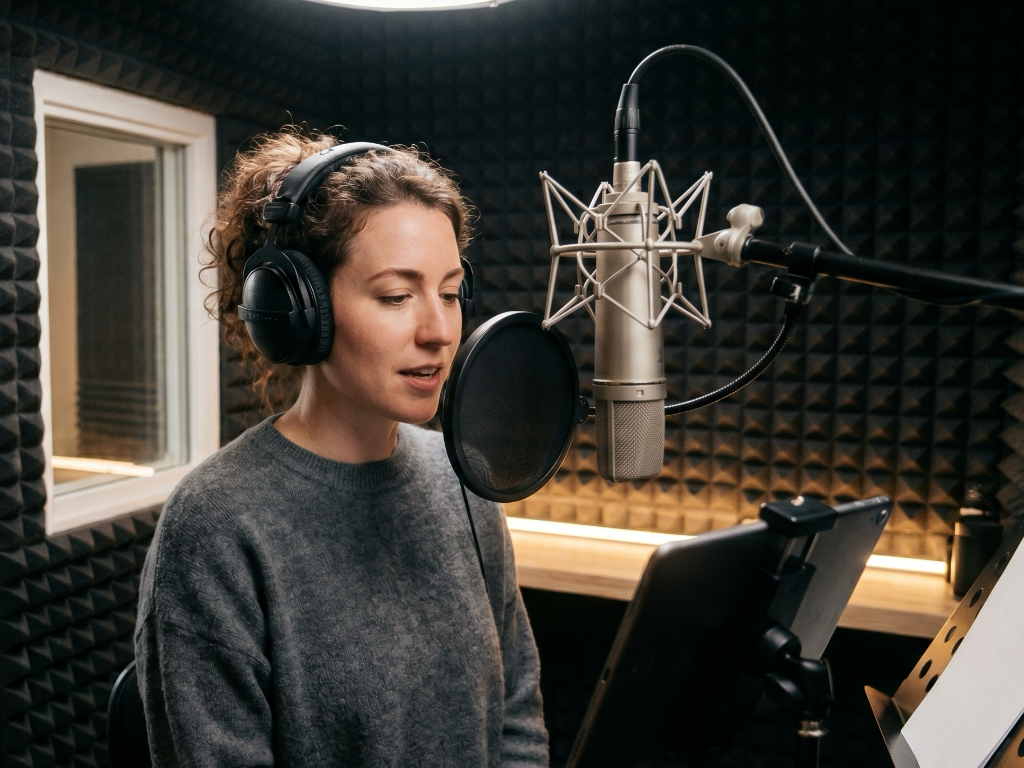
The internet rewired how voiceover gets made and bought. High-speed connections and affordable home recording gear meant talent no longer needed a big-city studio. By the 2000s and 2010s, performers could record from home and send finished files anywhere in hours.
Online marketplaces then opened the door for everyday buyers, not just ad agencies. A small business could browse a roster of human voice talent, pick a voice, and place an order the same day. That access is the biggest change of the modern era: a once-closed field became something a one-person shop could use. If you want to understand the modern process from start to finish, it helps to see how ordering a voiceover works today.
The AI Era: Synthetic Voice Arrives
The newest chapter is synthetic speech, and it's moving fast. AI tools can now generate audio from text in seconds, and the money is following. The AI voice market is projected to climb from $4.16 billion in 2025 to $20.71 billion by 2031 (MarketsandMarkets, 2025).
That speed is useful for rough drafts and scratch tracks. But it also raises real questions about emotion, consent, and trust, especially for public-facing work. Demand for human delivery has not gone away, including for jobs where culture and tone matter, like Spanish-language voiceover, where a native performer reads with a rhythm that machine translation misses.
Why Human Voice Still Wins
For all the new tools, audiences still trust people more than machines. People are more than twice as likely to trust a human voice (55%) over AI-generated audio (23%) (Audacy, 2024). Even in audiobooks, where AI narration is cheap and available, listener willingness to try it slipped from 70% in 2025 to 61% in 2026 (Audio Publishers Association, 2026).
The law is moving the same direction. In June 2026, the U.S. Senate Judiciary Committee advanced the NO FAKES Act on a unanimous vote, aiming to protect a person's voice and likeness from AI replicas (S&P Global, 2026). More than 16,000 SAG-AFTRA members signed a letter urging Congress to act, and union President Sean Astin warned that "Unchecked AI can ruin lives" (Variety, 2026). As the Human Artistry Campaign's Dr. Moiya McTier frames it, the goal is "expanding imagination, not replacing it" (Blackburn.senate.gov, 2026). You can read real customer reviews from buyers who picked a human read, and our flat-rate buyout pricing keeps that choice simple.
A Quick Timeline of Voiceover
Here's the short version of how the craft grew over the last century.
|
Era |
What Changed |
Why It Mattered |
|---|---|---|
|
1920s |
Radio drama and the first talkies |
Voice reached a mass audience for the first time |
|
1930s–1950s |
Golden age of radio and animation |
Range and character work became a profession |
|
1950s–1990s |
TV ads and movie trailers |
A single voice could define a brand or a film |
|
2000s |
Audiobooks and digital audio |
Long-form narration became a major market |
|
2000s–2010s |
Home studios and marketplaces |
Anyone could hire a voice, fast and affordable |
|
2020s |
AI synthetic voice |
New speed, new questions about trust and consent |
The Bottom Line
The history of voiceover is a story of better tools and one steady truth: people connect with people. From radio actors to trailer legends to today's home-studio talent, the craft has changed shape many times without losing its purpose. AI is the latest tool, but the data keeps pointing the same way, with audiences trusting human voices far more than synthetic ones (Audacy, 2024) and new federal rules lining up behind consent-based voice. For anything a customer will actually hear, a real human read is still the safe bet. Ready to hear it for yourself? Choose your voice and order in minutes.
Frequently Asked Questions
When did voiceover work begin?
Voiceover took shape alongside early radio in the 1920s and the first talking films. The Jazz Singer in 1927 was the first feature-length movie with synchronized dialogue, which proved a recorded voice could reach a mass audience. Radio drama in the same era gave actors steady work, and the modern craft grew from there.
Who was the most famous voiceover artist?
Don LaFontaine is often called the most famous. Nicknamed the "Voice of God," he recorded more than 5,000 movie trailers over four decades and made the phrase "In a world..." a household line. Mel Blanc is another giant of the field, known as "The Man of a Thousand Voices" for his cartoon character work.
How has technology changed voiceover?
Each wave of technology changed how the work gets made. Radio and film added recorded sound, television and trailers spread it everywhere, and home studios let talent record from anywhere. Online marketplaces then let everyday buyers hire a voice in hours. AI is the newest shift, adding speed while raising questions about trust and consent.
Is AI replacing human voice actors?
Not for work that depends on emotion and trust. AI is useful for quick drafts and for longer projects where nuance and emotion are less critical, but audiences still prefer real human voices, and willingness to accept AI narration has been dropping. New laws like the NO FAKES Act are also moving to protect a person's voice from AI replicas, which makes a real, consenting performer the safer choice.
How big is the voiceover and audiobook market today?
It's large and still growing. U.S. audiobook sales alone reached $2.43 billion in 2025, up 9% over the prior year. That's only one slice of voiceover, which also covers ads, phone systems, eLearning, podcasts, and video. The steady growth reflects how much spoken-word content people now listen to every day.
What should I look for when hiring a voice today?
Start with the read itself: listen to demos and pick a voice that fits your project and audience. Look for clear pricing, a simple ordering process, and a real human performer rather than a synthetic one. A revision option helps too, so you can fine-tune the delivery until it sounds right for your brand.
Curious how today's voiceover compares to the legends who built the craft? Listen to a few demos, choose a real human voice, and order your read today.