
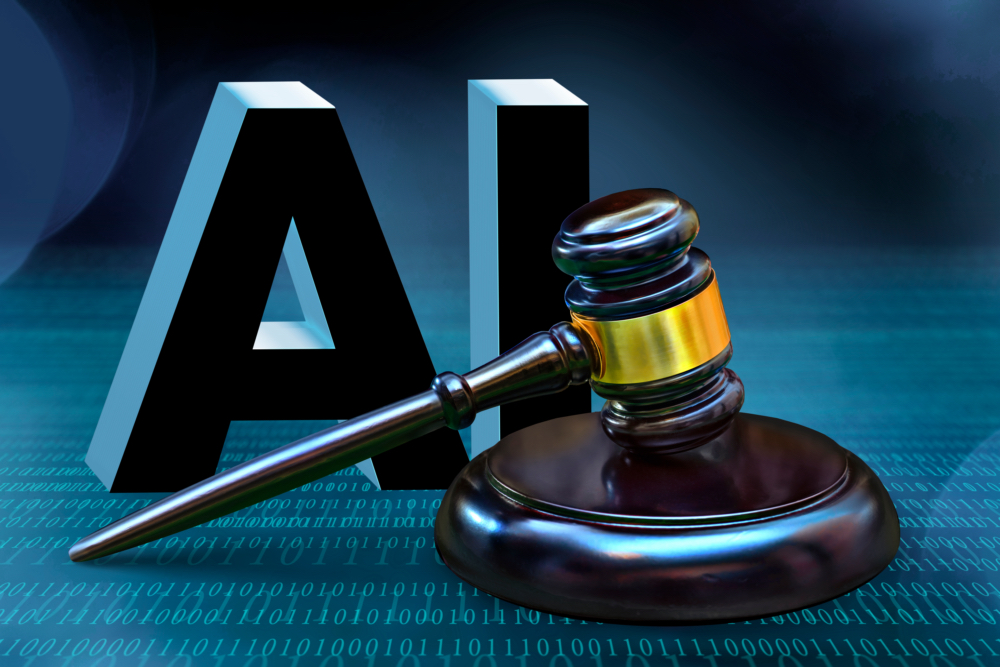
California's New AI Disclosure Law Makes the Case for Human Voiceover
Quick Answer
California's SB 1050, signed into law in September 2026, requires a clear and conspicuous disclosure when an advertisement prominently features a synthetic (AI-generated) performer, including AI voiceover. Courts can order noncompliant ads removed. The law doesn't ban synthetic voices, but it does mean brands using AI voice in covered ads must now tell audiences the voice isn't human. For messages built on trust (healthcare, finance, nonprofit, testimonials, premium brands) that disclosure can undercut the exact credibility the ad is trying to create. A licensed human voice performance carries no such disclosure requirement and offers a clearer chain of consent and accountability.
Imagine hearing a warm, convincing voice in an advertisement. It sounds natural. It conveys emotion. It may even seem familiar.
But the person you think you are hearing may not exist. No human performer may have ever spoken those words.
As synthetic voices become more realistic, consumers are finding it harder to distinguish human performances from AI-generated speech. California's new disclosure law addresses that uncertainty by requiring greater transparency when synthetic performers are used in certain advertisements.
For advertisers, the law raises a larger question: if an AI voice must be identified so audiences understand what they are hearing, is it the right voice to represent a brand built on trust?
What California's New Law Requires
California enacted Senate Bill 1050 in September 2026. The law requires a clear and conspicuous disclosure when a covered advertisement prominently includes a synthetic performer.
A prominent performance can include delivering narration or the commercial message. That means the law can apply to an AI-generated voiceover, not only to visual deepfakes or digitally created people appearing on screen.
The required disclosure must communicate that the advertisement features a synthetic performer or that no human performer is depicted. In certain circumstances, a court may order a noncompliant advertisement removed.
The law contains exceptions, including some uses involving language translation and accessibility. Its application will depend on the content and circumstances of each campaign, so advertisers should consult qualified legal counsel about their specific obligations.
California joins a growing list of states addressing AI voice - see our full breakdown of where AI voiceover law currently stands nationwide.
You can read the California governor's announcement and the text of SB 1050 for more information.
Why the Disclosure Requirement Matters
California's law reflects a basic problem with synthetic performances: audiences may reasonably assume they are hearing a real person when they are not.
That distinction can affect how consumers interpret an advertisement. A human-sounding voice can create an impression of personality, experience, and sincerity, even though no person necessarily participated in the performance or approved the message.
Requiring disclosure gives audiences information they may need to evaluate what they are hearing. It also creates a new consideration for advertisers: how will consumers respond when an advertisement tells them its spokesperson is synthetic?
For some technology-focused campaigns, using AI may fit the brand. In messages built around trust, empathy, or personal connection, however, disclosing that the voice is artificial could make the advertisement feel less authentic.
If a synthetic voice requires an explanation before listeners can properly understand the performance, it starts with a trust disadvantage that a genuine human performance does not. This isn't just intuition - see the research on why AI voices still sound off to listeners, even when the disclosure requirement doesn't apply.
A Synthetic Voice Is Not Necessarily a Licensed Voice
Disclosure is only one part of responsible AI use. It does not answer every question about how a synthetic voice was created.
There are several different types of AI-assisted voice production:
- A generic synthetic voice that is not intended to resemble a particular person
- An authorized replica created with a performer's knowledge and permission
- An unauthorized clone that imitates an identifiable person
- A human recording modified with AI for cleanup, timing, translation, or another production purpose
These categories involve different questions about consent, licensing, and disclosure.
Labeling a performance as synthetic does not prove that the training recordings were properly licensed. It does not establish that a performer authorized the particular advertisement. It also does not tell audiences whether an identifiable person's voice was copied or imitated.
An advertiser considering an AI voice should be able to determine where that voice came from, what rights were granted, and whether its intended use is permitted. A vendor's general statement that its voices are "licensed" may not provide enough protection by itself.
The Hidden Costs of an Inexpensive AI Voice
AI voiceover is often promoted as a faster and less expensive alternative to hiring a professional voice talent. Looking only at the cost of generating the audio, however, can create a misleading comparison.
Using a synthetic voice may introduce additional costs and risks, including:
- Legal and compliance review
- Required disclosure language
- Verification of training data and licensing
- Platform-specific rules for AI-generated content
- Restrictions involving industries, territories, or media
- The risk of an advertisement being challenged or removed
- Consumer skepticism about the brand's use of artificial performers
- Reputational damage if the voice resembles someone without authorization
The least expensive audio file is not always the lowest-cost, or lowest-risk, choice for the complete campaign.
For a deeper look at how these regeneration and compliance costs stack up against AI voice's sticker price, see The Hidden Cost of AI Voice.
Human Voiceover Offers a Clearer Chain of Trust
When a business hires a professional voice talent, a real person knowingly performs the script. The advertiser can identify who recorded the message, document the agreed usage, and return to the same performer when revisions are needed.
That creates a straightforward chain of participation and accountability.
A professional voice actor also contributes more than the sound of a believable voice. Human performers interpret the meaning behind the words. They respond to direction, consider the intended audience, and make subtle choices involving pace, emphasis, tone, and emotion.
AI can simulate many characteristics of speech. It does not participate in the message the way a human performer does.
Human voiceover is not free of legal or production requirements. Advertisers must still secure appropriate usage rights, communicate the intended use, and comply with advertising laws. The difference is that the identity and participation of the performer are much clearer.
Trust Matters Most When the Message Matters Most
The choice between a human and synthetic voice should not be based only on speed or price. Advertisers should consider the nature of the message and what they are asking the audience to believe, feel, or do.
A human voice may be especially valuable for:
- Healthcare and financial messages
- Political and advocacy advertising
- Testimonials and personal stories
- Public-service announcements
- Nonprofit fundraising
- Sensitive corporate communications
- Premium brands
- Emotional storytelling
- Community-focused campaigns
- Long-term brand-voice relationships
In these situations, authenticity and accountability can matter far more than saving a small amount on production.
Before choosing an AI voice, advertisers should ask:
- Will this campaign require a synthetic-performance disclosure?
- How might that disclosure affect the audience's response?
- Can we verify how the voice was created and licensed?
- Is our industry and intended advertising use specifically permitted?
- Could the voice be mistaken for an identifiable person?
- Would we be comfortable explaining our choice publicly?
- Are the savings meaningful after compliance and review costs?
- Would a human performance make the message more credible?
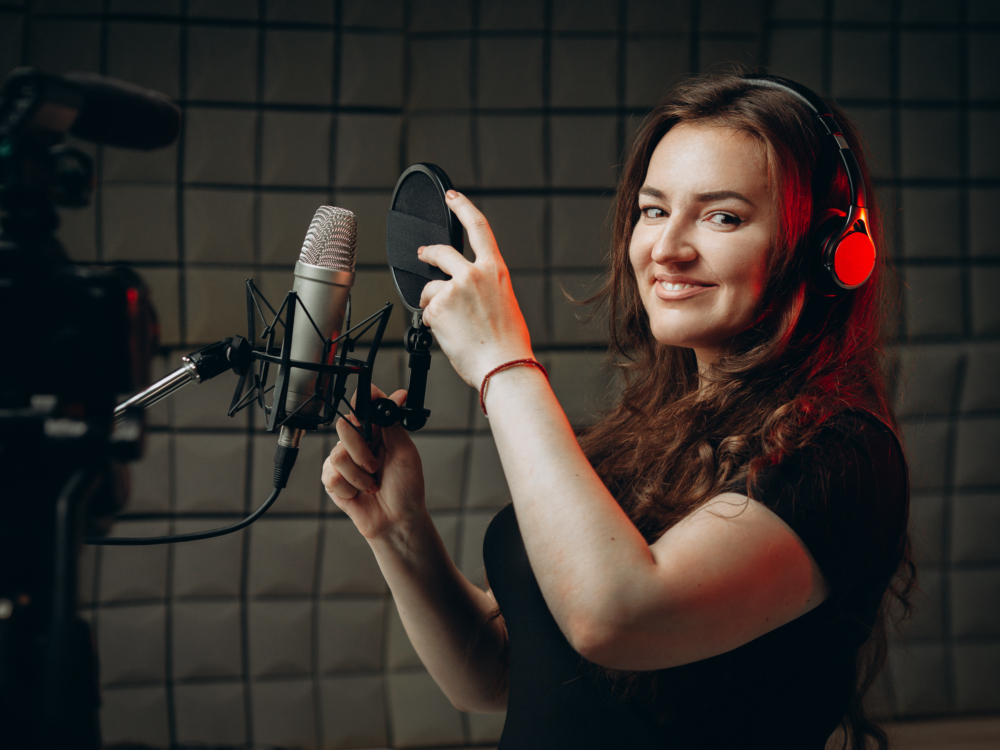
A Convincing Voice Is Not the Same as an Authentic Performance
California's new law does not prohibit synthetic voices in advertising. It recognizes that consumers deserve to know when a seemingly human performance is not human.
That transparency is important, but a disclosure cannot provide the intention, accountability, or creative judgment that a professional performer brings to a message.
AI can generate a convincing voice. A human performer can understand the message, respond to direction, and stand behind the performance.
For brands that depend on trust, that difference matters.
Frequently Asked Questions
Does California's SB 1050 ban AI voices in advertising? No. SB 1050 does not prohibit synthetic voices. It requires a clear and conspicuous disclosure when a covered advertisement prominently features a synthetic performer, including an AI-generated voiceover.
Does the disclosure requirement apply to voice-only ads, or just video deepfakes? It can apply to voice alone. A prominent synthetic performance can include narration or the commercial message itself, so an AI voiceover can trigger the disclosure requirement even with no synthetic visual component.
What happens if an advertisement doesn't comply? In certain circumstances, a court may order a noncompliant advertisement removed. Because the law's application depends on the specifics of each campaign, advertisers should consult qualified legal counsel about their own obligations.
Are there any exceptions to the disclosure requirement? Yes. The law includes exceptions for some uses involving language translation and accessibility. Whether a specific exception applies depends on the content and circumstances of the campaign.
If an AI voice is labeled as "licensed," does that mean it's compliant? Not automatically. A licensing claim does not by itself confirm that training recordings were properly licensed, that a performer authorized the specific advertisement, or that the voice doesn't imitate an identifiable person. Advertisers should verify the source and scope of rights directly.
Why would a brand choose human voiceover over AI, even where disclosure isn't required? Beyond compliance, human performers interpret a script rather than just rendering it. They respond to direction, adjust pace, emphasis, and tone for the audience, and stand behind the performance. For messages built on trust, that participation and accountability are hard to replicate.
Does hiring a human voice actor eliminate legal considerations entirely? No. Advertisers still need to secure appropriate usage rights and comply with applicable advertising laws. The distinction is that the performer's identity and participation are clear and documented from the start.
Give Your Message a Real Human Voice
VoiceJungle makes it fast and affordable to hire professional human voice talent. Browse demos, choose the right voice for your message, and receive professionally recorded audio, without replacing the human connection at the heart of effective communication.
For custom casting, directed sessions, or more complex campaigns, our sister company, ProComm Voices, provides hands-on support from auditions through final delivery.